Heat exchangers for the metallurgical & steel industry
A heat exchanger for the metallurgical and steel industry is equipment designed to transfer thermal energy between gases, liquids, or metals in high-temperature environments, with high thermal loads and severe operating conditions, with the objective of controlling melting, refining, heat treatment, and energy recovery processes in heavy industry plants.
Application in furnaces, converters, rolling mills, and combustion systems
Operation in ranges that may exceed 900 °C depending on the process
Materials and configurations adapted to abrasive and corrosive environments
In metallurgy and steelmaking, heat transfer is not an auxiliary system: it is a determining factor in metallurgical quality, energy consumption, and production continuity.
High-power thermal solutions for heavy industry environments
The metallurgical industry is dedicated to the extraction, concentration, and transformation of metallic ores, while the steel industry focuses specifically on the production of steel from iron.
The main processes include:
Preparation and concentration of ores
Iron reduction
Melting in a blast furnace or electric furnace
Refining of molten metal
Continuous casting
Rolling and heat treatments
In this context, precise thermal management makes it possible to:
Control cooling rates
Optimize mechanical properties
Recover energy from hot gases
Reduce fuel consumption
Technical context: extreme thermal demand in metallurgy
Metallurgical processes operate with:
High-temperature combustion gases
Metals in liquid state
Atmospheres containing solid particles
Environments with severe mechanical wear
Inadequate temperature control may cause:
Internal stresses in the metal
Cracking
Structural defects
Severe energy inefficiencies
Operational cost overruns
Heat transfer is critical both in the production phase and in the overall energy efficiency of the plant.
Key applications of heat exchangers in steel and metallurgical plants
Iron reduction and refining
Thermal control and stabilization
Thermal control prior to refining molten iron
Stabilization of metallurgical reactions
Heat management in converters and furnaces
Cooling in casting and rolling
Cooling control for the microstructure of steel
Regulation of the cooling rate
Improvement of mechanical properties
Reduction of internal stresses
Heat recovery from furnaces and gases
Significant savings in fuel consumption
Preheating of combustion air
Cross-flow exchange between flue gases and air
Reduction in burner and boiler consumption
Heat treatment of products
Control and improvement of quality in products and by-products
Improvement of physical properties
Control of hardening processes
Dimensional stabilization
Types of heat exchangers for heavy industry
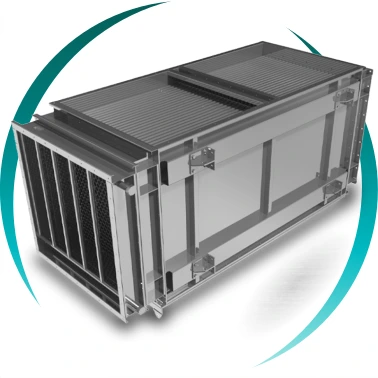
Cross-flow flue gas heat recovery units
Energy transfer between hot gases and inlet air
Integration with boilers, turbines, and engines
Reduction of energy losses
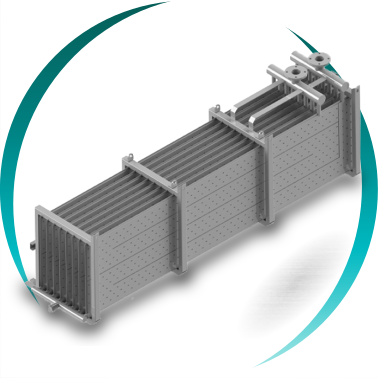
Pillow plate (dimple) heat exchangers
Low pressure drop
High heat transfer coefficient
Suitable for oily liquids and gases
Robust design for demanding environments
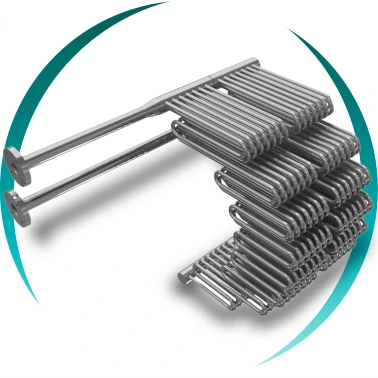
Heat exchangers for steam and thermal oil
Applicable in evaporation and condensation of combustible gases
Generation of hot or cold water
High mechanical strength
Operating conditions in the metallurgical industry
Proper engineering must analyze:
Thermal load and flow rate
Nature of the fluid (gas, steam, thermal oil, superheated water)
Maximum operating temperature
Fouling factor
Integration with furnaces or boilers
Energy recovery objectives
Incorrect sizing may reduce performance, increase energy consumption, and compromise safety.
Strategic benefits for steel plants
Significant reduction in fuel consumption
Improvement of overall energy performance
Precise metallurgical control
Minimization of unplanned shutdowns
Increase in equipment service life
In heavy industry, every percentage point of energy efficiency has a significant economic impact.
Tailor-made solutions specifically designed for the metallurgical and steel sector
We deliver with maximum agility to ensure production continuity.
Products subject to strict quality control.
Comprehensive service, including transport to your facility.
FAQs
What is a heat exchanger in the steel industry?
It is equipment that transfers thermal energy to control melting, refining, and energy recovery processes.
It enables heat management in furnaces, converters, and combustion systems, improving metal quality and reducing fuel consumption through hot gas recovery.
Why is heat recovery in furnaces essential?
To reduce energy consumption.
Preheating air with exhaust gases reduces the energy required for combustion, improving the overall efficiency of the installation.
How does cooling influence steel quality?
It determines the microstructure and mechanical properties.
A controlled cooling rate makes it possible to obtain specific properties such as hardness, ductility, or strength, preventing cracks or internal stresses.
Which fluids are commonly used?
Steam, thermal oil, and superheated water.
Selection depends on the required temperature, operating pressure, and integration with the plant’s energy system.
Thermal engineering applied to heavy industry
A metallurgical project requires:
Detailed thermal calculation
Robust mechanical design
Materials resistant to high temperatures
Integration with furnaces and combustion systems
Energy recovery strategy
Heat transfer is a structural pillar in the competitiveness of the modern steel industry.
Tailor-made thermal solutions for metallurgy and steelmaking
Development of heat exchangers adapted to:
Melting and refining processes
Hot gas recovery
Steam and thermal oil systems
High-temperature and high thermal load projects
With a focus on:
Structural robustness
Energy efficiency
Operational continuity
Long-term profitability
Technical conclusion
In the metallurgical and steel industry, the heat exchanger is a strategic component for energy performance and metallurgical quality.
Proper design makes it possible to:
Optimize melting and treatment processes
Recover residual energy
Reduce operating costs
Ensure production stability
Optimizing thermal management means optimizing the entire heavy industry value chain.