The BOIXAC blog is a technical space specialized in industrial heat exchangers, designed for professionals seeking practical knowledge for demanding thermal processes. Here, we share content on industry updates, regulations, design criteria, energy optimization, and real-world industrial applications.
We analyze how heat exchangers operate in cooling processes, energy recovery, and the treatment of gases, liquids, and bulk solids, delivering efficiency, sustainability, and operational reliability. The content is tailored to help process engineers, plant managers, EPC contractors, and OEMs make informed decisions based on technical expertise and real use cases.
From practical guides to industry trends, this blog is a trusted resource for optimizing thermal performance in industrial processes and integrating advanced heat exchange solutions.
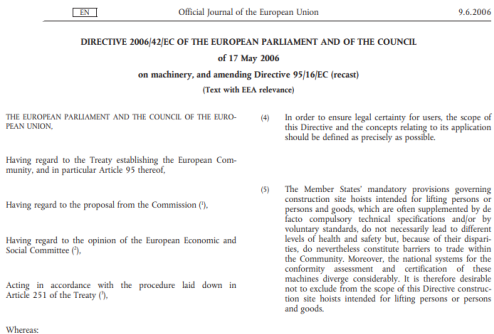
Machinery Directive 2006/42/EC
Analysis of the essential health and safety requirements, conformity assessment and CE marking for OEM manufacturers integrating thermal components —economisers, heat exchangers, heat recovery units— into boilers and industrial machinery assemblies.
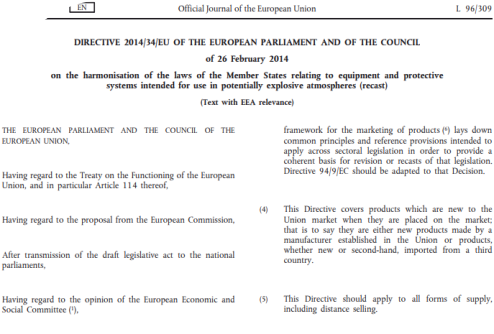
ATEX: Classification, categories and marking
Technical analysis of the parameters defined by the standard for feedwater and boiler water, and their relevance to the integrity and safety of steam generation systems.
Building industrial excellence – together
At BOIXAC we conceive and supply high-demand thermal solutions. We are looking for partners who share our vision: uncompromising technical rigour, integrity in every relationship and genuine passion for industry.
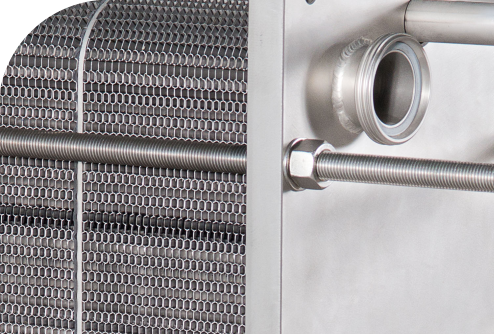
Selection tool for plate heat exchangers
Online configuration tool to streamline the selection, quotation, and delivery of gasketed plate heat exchangers.
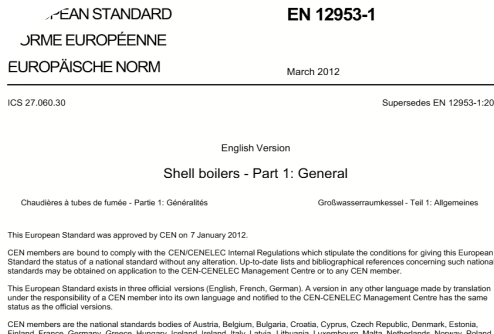
EN 12953-10: water quality requirements
Technical analysis of the parameters defined by the standard for feedwater and boiler water, and their relevance to the integrity and safety of steam generation systems.
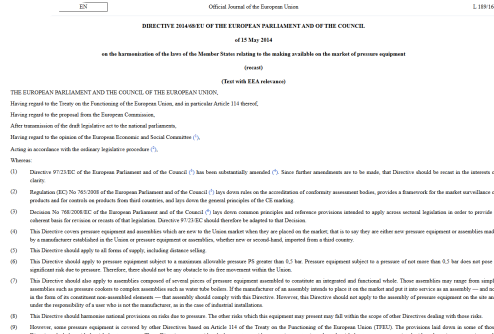
PED 2014/68/UE: pressure equipment
Technical guide on the scope, risk category classification, and conformity assessment modules established by the Pressure Equipment Directive.
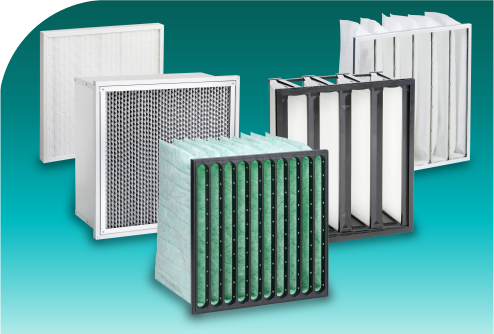
Air treatment filters: Efficiency, selection
Technical reference guide on air filter classification according to ISO 29463 and EN 1822:2009. From G pre-filters to ULPA U17, with efficiencies, penetration values and applications across industrial, pharmaceutical and cleanroom sectors.
Heat exchanger material selection
Technical reference guide to support material selection for heat exchangers based on process fluid, industrial sector and operating conditions. From AISI 304/316 stainless steel to Hastelloy, titanium and cupronickel.
Types of heat exchangers: Classification
Encyclopaedic guide to the main families of heat exchangers: from the distinction between direct and indirect contact to classification by fluid pair. Reference base for engineers, designers and technical managers.
Industrial economiser: operating principle
The economiser is the component that converts the residual heat from boiler exhaust gases into a measurable reduction in fuel consumption. This guide analyses its operation, constructive types, main industrial applications and the technical parameters that determine its selection.
Questions and answers
We provide answers to the main questions regarding industrial heat exchangers, organised into thematic sections: fundamentals, types, selection and design, specific industrial applications, energy efficiency and sustainability, as well as installation, maintenance and diagnostics.
Heat recovery and sustainability
At BOIXAC, we had the honor of being invited to participate in the podcast Con G de Geo, which aims to bring engineering closer to development through sustainability, via renewable energy, energy optimization, and efficient use of resources.
Heat exchangers in rendering and fish meal plants: design guide for EPC engineers
Thermal sizing criteria, material selection and equipment specification for engineering firms designing animal by-product rendering plants and fish meal and fish oil processing facilities.
What is a Heat Recovery Steam Generator?
Heat Recovery Steam Generator (HRSG) systems depend on the quality of their heat transfer components. This guide analyses the role of economisers and heat exchangers in optimising these systems, the determining design parameters and the selection criteria for demanding industrial applications.
Heat exchangers in calcination plants: lime, calcium carbonate and industrial process minerals
Technical criteria for heat recovery from rotary kiln flue gases with abrasive dust, high temperatures and CO₂ content: typology selection, materials and cleaning strategies.
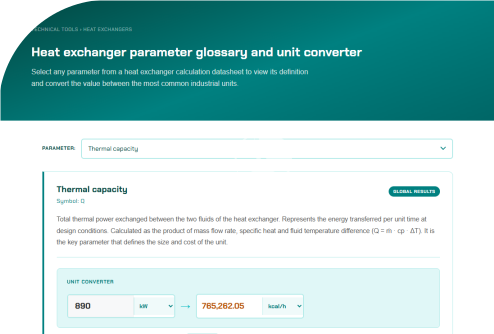
Heat exchanger parameter glossary and unit converter
Select any parameter from a heat exchanger calculation datasheet to view its definition and convert the value between the most common industrial units.
Pillow plate heat exchangers in breweries and wineries: fermentation cooling and tank thermal control
Why dimple plate technology outperforms conventional jackets for fermentation tank cooling: heat transfer coefficient analysis, CIP cleaning and design criteria for beer and wine production.
Economiser sizing for industrial boiler OEM manufacturers
Technical criteria for thermal sizing, mechanical integration and regulatory documentation for boiler manufacturers incorporating economisers as an integral component of their equipment.
Heat exchangers in refineries and petrochemicals: ASME BPVC Section VIII and PED 2014/68/EU
Regulatory framework, differences in approach and application criteria of the two major codes governing pressure equipment in the process industry: the ASME Boiler and Pressure Vessel Code and the European Pressure Equipment Directive.
Heat recovery in hydrogen production: heat exchangers in SMR, electrolysis and green H₂
The role of finned-tube heat exchangers and gas-gas recuperators in the energy efficiency of hydrogen production processes, in the context of European hydrogen targets for 2030.
Heat exchangers for corrosive gases: degradation mechanisms, materials and applicable standards
The selection of materials for finned-tube heat exchangers and gas-gas recuperators in the presence of corrosive industrial gases —H₂S, chlorine, HCl, SO₂, ammonia or HF— is one of the technical decisions with the greatest impact on equipment reliability and service life.
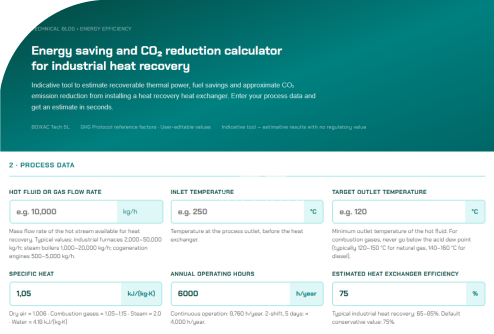
Energy saving and CO₂ reduction calculator for industrial heat recovery
Indicative tool to estimate recoverable thermal power, fuel savings and approximate CO₂ emission reduction from installing a heat recovery heat exchanger. Enter your process data and get an estimate in seconds.
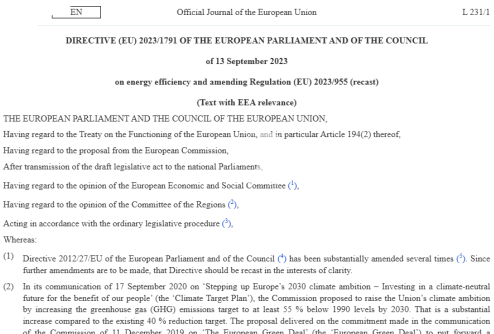
How heat exchangers contribute to EU 2030 targets and the Energy Efficiency Directive 2023/1791
The EED 2023/1791 and the Fit for 55 package impose new obligations on industry. We analyse the role of heat recovery systems as a verifiable efficiency measure within the EU 2030 targets framework.
How to select an industrial heat exchanger: the 7 criteria
Selecting a heat exchanger is not a catalogue choice. It depends on seven interdependent technical criteria —and many other variables that no guide can fully capture. Field experience and deep knowledge of real equipment behaviour are just as decisive as any formula.