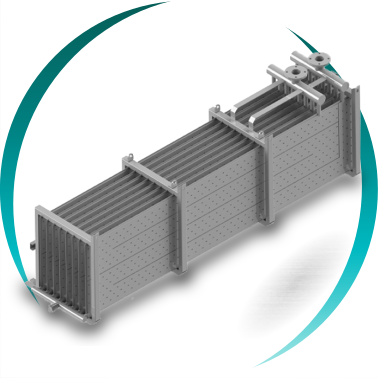
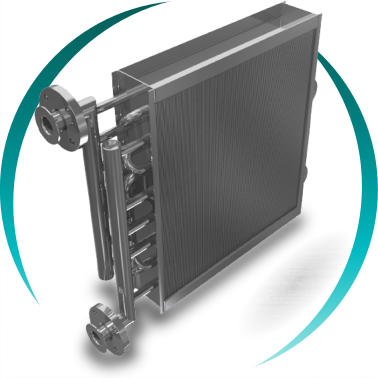
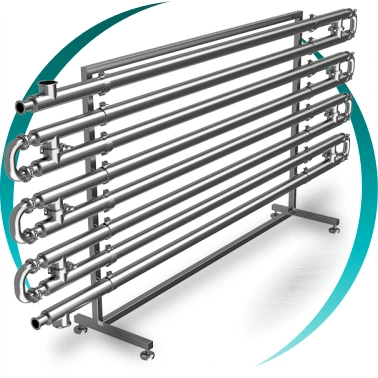
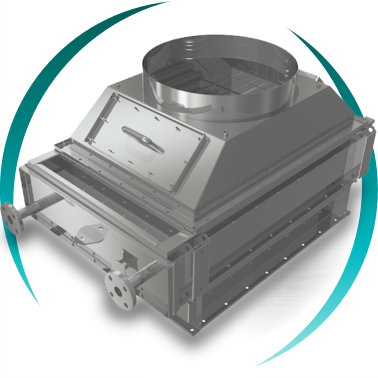
Heat exchangers for wastewater treatment Heat exchangers in wastewater treatment plants (WWTPs) and recycling facilities are key equipment for optimizing biological processes, stabilizing sludge, recovering thermal energy, and reducing the overall plant energy consumption. Proper thermal engineering improves reactor performance, reduces operating costs (kWh/m³ treated), and contributes to energy-efficient treatment models. Why is heat transfer strategic in a WWTP? Although treatment is mainly a physical and biological process, temperature directly affects:Microbiological activityRate of organic matter degradationEfficiency of anaerobic digestionBiogas productionSludge viscosityStabilization and dewateringIn modern plants, energy recovery is a key driver of sustainability and OPEX reduction. Architecture of a wastewater treatment plant A typical WWTP includes two main lines: Water line Pretreatment (screening, grit removal, grease removal)Primary clarificationBiological reactor (activated sludge, MBR, biodiscs, etc.)Secondary clarificationTertiary treatment (if applicable)Reuse or discharge Sludge line ThickeningAnaerobic or aerobic digestionDewateringValorization or final disposal Heat transfer is especially critical in the sludge line and in energy recovery systems. Classification of heat exchangers in water treatment and purification Pillow plate heat exchanger (dimple plate) Especially suitable for:Sludge with high solids contentMedia with high sedimentationViscous or abrasive fluidsTechnical advantages:High mechanical strengthEase of inspectionFouling toleranceRobust design for aggressive environmentsTypical applications:Heating of anaerobic digestersThermal stabilization of sludge Flat and finned tube heat exchanger Applications:Heat recovery in gas streamsAir treatment in deodorization processesCooling or heating of fluids with organic loadCharacteristics:High overall heat transfer coefficientPossibility of immersion in liquidsAdaptability to highly contaminated environments Double pipe heat exchanger (concentric) Suitable for:Heat recovery in liquid streams with suspended solidsIndustrial wastewaterSystems with high thermal gradientsAdvantages:Modular designResistance to sedimentationEase of maintenance Heat recovery unit and economizer In plants with:Anaerobic digestersBiogas productionAuxiliary boilersObjective:Recover heat from exhaust gasesPreheat process waterImprove overall efficiency of the energy system Thermally critical applications in treatment Anaerobic digestion Transforms organic matter into biogas Typical ranges:Mesophilic: 35–38 °CThermophilic: 50–55 °CStable temperature is critical for:Methane productionPathogen reductionProcess stability Sludge heating Efficient sludge conditioning Before digestion or dewatering:Reduction of viscosityImproved pumpingOptimization of centrifugation Recovery in effluents Heat recovery from sludge and water Recovery allows:Preheating incoming streamsReducing external energy demandImproving the plant’s energy balance Relevant physicochemical parameters Wastewater typically contains:Suspended solidsOrganic matter (COD, BOD)Nitrogen (NH₄⁺, NO₂⁻, NO₃⁻)PhosphorusFatsAbrasive compoundsTypical pH range: 6.5–8 (depending on origin) Heat exchangers must consider:Corrosion resistanceFoulingAbrasionEase of cleaning Economic and energy impact A well-designed thermal strategy can:Increase biogas productionReduce external energy consumptionImprove biological stabilityReduce indirect emissionsOptimize sludge dewateringIn plants with anaerobic digestion, thermal recovery can make the facility partially energy self-sufficient. Critical engineering variables Overall heat transfer coefficient (U)LMTDSolids content (%)ViscosityFlow regimeFouling resistanceEase of inspectionThe design must account for highly contaminated environments and demanding maintenance conditions. Sustainability and circular economy Modern treatment integrates:Energy recoverySludge valorizationBiogas productionReuse of reclaimed waterHeat transfer is a structural element for advancing toward circular economy models in water management. Request a quote Tailor-made solutions for wastewater, sludge, and treatment We provide detailed and rigorous quotations Products subject to strict quality control Agile, on-time response to minimize plant impact FAQs Why is it necessary to control temperature in anaerobic digesters? To maintain stable microbiological activity and maximize biogas production.Methanogenic microorganisms operate within specific thermal ranges; deviations affect degradation kinetics and methane production. Where is heat recovery mainly applied? In exhaust gases, hot sludge, and effluents.Residual heat from thermal streams can be reused to preheat processes, reducing external energy consumption. What is the main challenge for heat exchangers in this sector? The presence of solids and fouling.Equipment must tolerate fluids with organic, abrasive, or sedimentable loads while maintaining performance and accessibility for cleaning. Value proposition for technical management and operations In modern treatment, the objective is not only to meet discharge parameters but to optimize energy and sustainability.An efficient thermal architecture enables:Higher biogas productionReduced energy costsImproved biological performanceAdaptation to environmental objectivesGreater operational robustness We optimize the thermodynamics of WWTPs