
Heat exchangers for the pharmaceutical industry
A heat exchanger for the pharmaceutical industry is equipment designed to transfer thermal energy between fluids, gases, or process products under strict standards of quality, traceability, and hygiene, with the objective of ensuring thermal stability, microbiological control, energy efficiency, and compliance with GMP regulations in regulated environments.
Control, efficiency, stability, and thermal quality for the pharmaceutical sector
Application in bioreactors, chemical reactors, and purification systems
Operation within critical and controlled temperature ranges
High-purity materials and surfaces suitable for CIP/SIP cleaning
In pharmaceutical environments, heat transfer is not only a matter of efficiency: it is an essential condition for ensuring quality, safety, and regulatory compliance.
High-precision thermal solutions for GMP environments and cleanrooms
The pharmaceutical industry researches, develops, and produces medicines, vaccines, biologics, and solid or liquid formulations under strict quality protocols. Production processes take place in:
R&D laboratories
Classified cleanrooms
Production areas with environmental control
Formulation and packaging facilities
In this context, thermal exchange systems must ensure:
Precise temperature control
Microbiological integrity
Hygienic surfaces without dead zones
Complete documentary traceability
Technical context: thermal complexity in pharmaceutical production
Processes may include:
Controlled chemical synthesis
Fermentation and bioproduction
Plasma fractionation
Crystallization and purification
Evaporation and concentration of active ingredients
Drying (spray drying, lyophilization)
Cooling for product stabilization
In the specific case of plasma fractionation, the controlled variation of temperature, pH, and alcohol concentration allows the selective aggregation of proteins. Thermal precision is critical to maintain biological activity.
Inadequate control can cause:
Degradation of the active ingredient
Loss of therapeutic efficacy
Microbiological instability
Batch rejection
Key applications of heat exchangers in the pharmaceutical industry
Fermentation and bioreactors
Performance and quality of biological products
Temperature control in cell cultures
Dissipation of metabolic heat
Stabilization of sensitive biological processes
Evaporation and concentration
Product preparation and quality
Controlled removal of solvents
Concentration of active ingredients
Heat recovery in continuous processes
Air treatment
Drying and gas treatment
Preheating systems in drying rooms
Control of gas flows
Tolerance to streams with a certain fouling factor
Cooling and stabilization
Preservation and durability of pharmaceuticals
Preservation of thermolabile products
Extension of shelf life
Integration with glycol water circuits or critical HVAC systems
Energy recovery
Industrial energy efficiency
Economizers in steam systems
Recovery of residual heat
OPEX reduction and improved sustainability
Regulatory and quality requirements
In the pharmaceutical industry, heat exchangers must comply with:
GMP (Good Manufacturing Practices)
Material traceability
Welding certification
Surface roughness control
CIP/SIP validation
IQ/OQ protocols (installation and operational qualification)
Technical documentation is as critical as thermal performance.
Types of heat exchangers for pharmaceutical applications
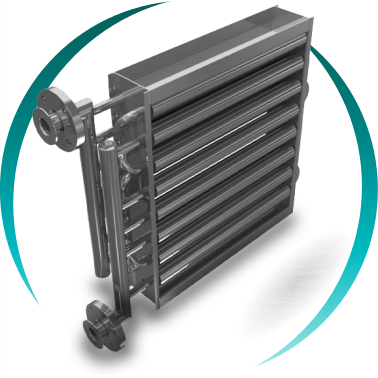
Stainless steel finned-tube heat exchangers
Helical and continuous fins
Resistance to high pressures and temperatures
Compatible with clean steam, purified water, and thermal oil
Application in HVAC systems and auxiliary processes
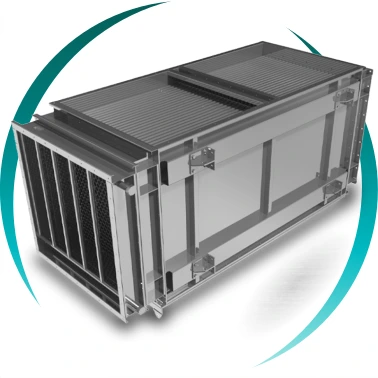
Gas heat exchangers and heat recovery systems
Air preheating in drying processes
Design tolerant to controlled fouling
Integration into critical air treatment lines
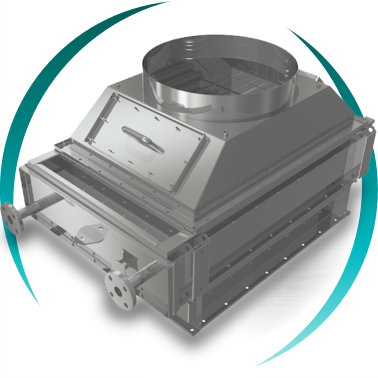
Economizers and energy recovery units
Recovery of heat from combustion gases
Preheating of feedwater
Reduction of overall plant energy consumption
Technical selection criteria
Proper selection requires analyzing:
Nature of the product (biological, chemical, solvent)
Thermal sensitivity
Operating pressure and temperature
Cleaning and sterilization requirements
Compatibility with high-purity fluids
Integration with validated systems
Incorrect sizing may compromise the quality of the medicine and generate high costs due to reprocessing or rejection.
Strategic benefits for pharmaceutical plants
High-precision thermal control
Achievable regulatory compliance
Reduction in energy consumption
Integration with validated systems
Minimization of unplanned downtime
Protection of high value-added products
In pharmaceutical environments, thermal reliability directly impacts patient safety and the economic viability of the process.

Custom solutions designed for the pharmaceutical sector.

Fast and on-time response to minimize impact on production.

Products subject to strict quality control.

Full service, including transport to the factory.
FAQs
What is a heat exchanger in the pharmaceutical industry?
It is equipment that controls temperature in pharmaceutical processes while ensuring quality, hygiene, and GMP compliance.
It allows thermal energy to be transferred between fluids or products under strict regulatory standards, ensuring stability of the active ingredient, microbiological control, and documentary traceability.
Why is temperature control critical in bioproduction?
To maintain the biological activity of the product.
Cell cultures and fermentation processes are extremely sensitive to thermal variations. Even a minimal deviation can reduce yield or alter therapeutic quality.
What hygienic requirements must be met?
Hygienic design, surfaces suitable for CIP/SIP, and traceability.
It is necessary to ensure the absence of dead zones, certified materials, cleaning validation, and documentation compliant with GMP.
How do they contribute to energy efficiency?
By recovering heat and optimizing continuous processes.
Through economizers and recovery systems, energy consumption can be significantly reduced and plant sustainability improved.
Thermal engineering applied to the pharmaceutical sector
A pharmaceutical project requires:
Customized thermal calculation
Design compliant with regulated standards
Documentary validation
Integration into GMP environments
High-quality materials and full traceability
Heat transfer is a critical element in ensuring pharmaceutical quality.
Custom thermal solutions for the pharmaceutical industry
We develop heat exchange systems adapted to:
Sensitive bioprocesses
Regulated chemical reactors
Drying rooms
Energy recovery systems
Integration with validatable installations
With a focus on:
Thermal precision
Mechanical reliability
Regulatory compliance
Long-term profitability
Technical conclusion
In the pharmaceutical industry, a heat exchanger is a critical asset for quality and safety.
A proper design allows:
Ensuring medicine stability
Achieving regulatory compliance
Reducing energy consumption
Protecting high-value processes
Optimizing thermal management means strengthening pharmaceutical quality at the core of the production process.